
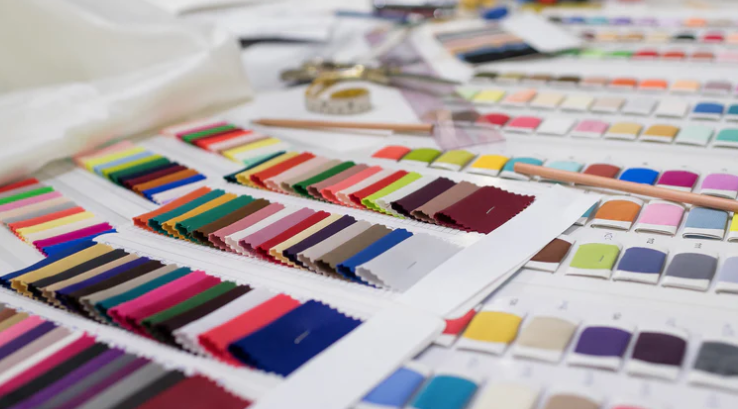
What is Shade?
What is Shade Variation in Fabrics?
Fabric shade variation is the variation of shade or depth of color (hue) in same fabric roll. In dyed fabrics often shade variation is found. Shade variation may occur fabric selvage to selvage, selvage to center of fabric width. Shade variation can be at the one end of the fabric rolls to another end.
Shading or shade variation is considered as one critical problem in fabrics which may cause shade variation in garments. If the quality auditor found shade variation in garments, they may reject the shipment.
- Fabric consumption per garment may increase
- There is possibility of having defective garment in the finished garment due to shade variation in garment components.
Shade variation in Garment and Clothing
Garment are made by stitching number of fabric parts together. When shade variation is found in between garment parts, is called shade variation in garments. As mentioned above, garment manufacturing factories may receive fabric with varied shades of same color.
If precaution is not taken in cutting department and sewing floor, fabric lot can mix easily and as a result you will garment with varied shade in between garment components.
Solution of shade variation in garment manufacturing:
Garment manufacturing factories use a standard practice to get rid of shade variation between different parts in a same garment. When shade variation is found that in the purchased fabric in between fabric lots, fabric checker prepares shade bands. Like shade band A, B, C, D etc. Different shade bands are marked and then sent to the buyers for buyer approval.
Precaution 2: After layer cutting, ply numbering is done to all component of the garments before bundling. Numbered stickers are attached to all garment parts to ensure that sewing operators stitch garment from same fabric layer. The numbering can be done using printed sticker or directly printing to the garment component on the edges.
